


TLDR:
- Discover 25 innovative and profitable creative business ideas perfectly suited for 2026’s evolving market landscape.
- Learn how emerging technologies like AI, sustainability trends, and remote work are creating new entrepreneurial opportunities.
- Understand which low-investment creative ventures can generate substantial income with minimal startup costs.
- Explore niche markets and untapped industries where creative entrepreneurs can thrive in the coming year.
- Get actionable insights on turning your creative skills into a sustainable and scalable business model.
Are you tired of the traditional 9-to-5 grind and dreaming of building something truly your own? In 2026, the entrepreneurial landscape has never been more welcoming to creative minds willing to take the leap. According to recent data from the Global Entrepreneurship Monitor, over 100 million businesses are launched annually worldwide, with creative and innovative ventures experiencing the highest success rates.
The beauty of starting a creative business in 2026 lies in the unprecedented access to technology, global markets, and flexible work arrangements that didn’t exist even five years ago. Whether you’re a designer, writer, tech enthusiast, or someone with a passion for solving problems in unique ways, there’s never been a better time to transform your creative vision into a profitable reality.
This comprehensive guide explores 25 creative business ideas that align with current market trends, consumer demands, and technological advancements. From low-investment solo ventures to scalable enterprises, we’ll cover opportunities that cater to various skill sets, interests, and financial capabilities. Let’s dive into the creative business ideas that could define your entrepreneurial journey in 2026.
The Rise of Creative Entrepreneurship in 2026
The global shift toward creative entrepreneurship isn’t just a trend it’s a fundamental transformation of how we work and create value. The creative economy now contributes over $2.25 trillion to the global GDP, according to a UNESCO report on creative industries, representing one of the fastest-growing sectors worldwide.
What makes 2026 particularly exciting for creative entrepreneurs is the convergence of several powerful factors:
Technology democratization has leveled the playing field, allowing solo creators to compete with established corporations. Cloud-based tools, AI assistants, and affordable design software mean you can launch professional-grade services without massive capital investment.
Consumer preferences have shifted dramatically toward personalized, authentic, and purpose-driven products and services. People are willing to pay premium prices for unique, handcrafted, or customized offerings that reflect their values and individuality.
Remote work normalization has expanded your potential customer base from local to global, while also reducing overhead costs associated with physical locations. Digital nomadism and location-independent businesses are now mainstream rather than experimental.

The barriers to entry have never been lower, but success still requires the right idea matched with proper execution. Let’s explore the most promising creative business ideas for 2026.
Top 25 Creative Business Ideas for 2026
1. AI-Powered Content Creation Agency
Artificial intelligence has revolutionized content creation, but human creativity remains irreplaceable. Launch an agency that combines AI efficiency with human editorial oversight to produce high-quality blog posts, social media content, and marketing materials at scale. This hybrid approach delivers speed and cost-effectiveness while maintaining the authentic voice that audiences crave.
Startup Investment: $500-$2,000
Potential Revenue: $5,000-$50,000/month
2. Sustainable Product Design Consultancy
With environmental consciousness at an all-time high, businesses desperately need experts who can help them design eco-friendly products and packaging. Offer consultancy services focused on sustainable materials, circular economy principles, and carbon-neutral production processes. This creative business idea taps into the growing demand for environmental responsibility.
Startup Investment: $1,000-$3,000
Potential Revenue: $8,000-$40,000/month
3. Virtual Event Planning and Experience Design
The virtual and hybrid event market continues to expand, creating opportunities for creative planners who can design engaging online experiences. From corporate conferences to virtual weddings, businesses and individuals need professionals who understand both technology and event aesthetics to create memorable digital gatherings.
Startup Investment: $800-$2,500
Potential Revenue: $4,000-$30,000/month
4. Personalized Nutrition and Meal Planning Service
Combine your passion for health with technology by offering personalized meal planning services. Use AI-driven apps to analyze dietary preferences, health goals, and restrictions, then create custom meal plans and shopping lists. Partner with local farms or delivery services to create a comprehensive wellness package.
Startup Investment: $500-$1,500
Potential Revenue: $3,000-$25,000/month
5. Niche Subscription Box Curation
Subscription boxes remain popular, but the market has matured beyond generic offerings. Create highly specialized boxes targeting specific interests vintage camera equipment for photographers, rare teas from different regions, or sustainable beauty products for eco-conscious consumers. The key is finding an underserved niche with passionate enthusiasts.
Startup Investment: $2,000-$5,000
Potential Revenue: $5,000-$50,000/month
6. Digital Product Creation and Marketing
Create and sell digital products like templates, printables, online courses, stock photos, or design assets. Platforms like Etsy, Creative Market, and Gumroad make it easy to reach global customers without inventory costs or shipping logistics. This represents one of the most scalable creative business ideas with minimal overhead.
Startup Investment: $200-$1,000
Potential Revenue: $2,000-$100,000+/month
7. Brand Identity and Storytelling Studio
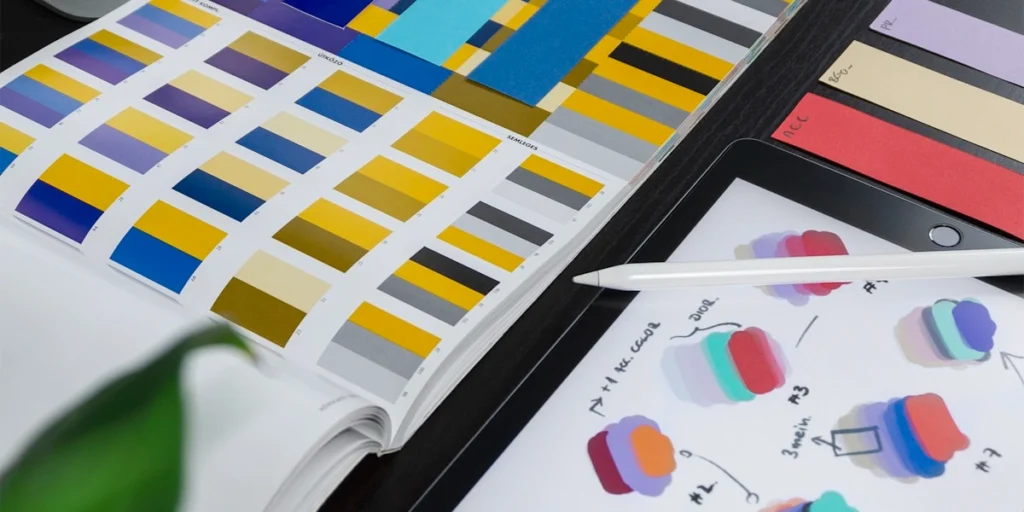
Modern businesses understand that compelling brand narratives drive customer loyalty. Establish a studio specializing in developing comprehensive brand identities from visual design to messaging strategy and storytelling frameworks. Help companies articulate their purpose, values, and unique value propositions in ways that resonate with their target audiences.
Startup Investment: $1,500-$4,000
Potential Revenue: $6,000-$45,000/month
8. Urban Vertical Gardening Solutions
As urbanization continues, people crave connections with nature. Design and install vertical gardens for apartments, offices, and small spaces. Offer maintenance services and educational workshops on sustainable urban agriculture. This business combines environmental impact with aesthetic appeal.
Startup Investment: $2,000-$6,000
Potential Revenue: $4,000-$30,000/month
9. Podcast Production and Editing Services
Podcasting continues explosive growth, but many creators lack the technical skills or time for professional production. Offer end-to-end podcast services including recording, editing, sound design, show notes creation, and distribution. Specialize in specific industries to become the go-to expert for niche podcasters.
Startup Investment: $1,000-$3,500
Potential Revenue: $3,000-$25,000/month
10. Augmented Reality (AR) Experience Development
AR technology is becoming mainstream across industries from retail to education. Develop AR experiences for businesses wanting to showcase products, create interactive marketing campaigns, or enhance customer education. This tech-forward creative business idea positions you at the cutting edge of digital innovation.
Startup Investment: $2,500-$8,000
Potential Revenue: $8,000-$60,000/month
11. Ethical Fashion Upcycling Studio
Transform discarded clothing and textiles into fashionable new pieces. This sustainable approach to fashion appeals to environmentally conscious consumers while showcasing your creative design skills. Combine vintage finds with modern aesthetics to create one-of-a-kind garments that tell a story.
Startup Investment: $1,500-$4,000
Potential Revenue: $3,000-$20,000/month
12. Remote Team Building Facilitator
With distributed workforces becoming permanent, companies need creative professionals who can design and facilitate engaging virtual team-building activities. Create unique experiences that build culture, improve communication, and boost morale across time zones and digital platforms.
Startup Investment: $500-$1,500
Potential Revenue: $4,000-$30,000/month
13. Custom Pet Product Designer
The pet industry continues to boom, with owners willing to spend significantly on premium, personalized products. Design custom pet accessories, furniture, clothing, or portraits. Leverage print-on-demand services to minimize inventory while offering endless customization options.
Startup Investment: $800-$2,500
Potential Revenue: $3,000-$25,000/month
14. Wellness and Meditation App Development
Mental health awareness has created massive demand for wellness solutions. Develop specialized meditation apps, mood trackers, or guided therapy tools targeting specific demographics or challenges. Partner with mental health professionals to ensure your solutions are evidence-based and effective.
Startup Investment: $5,000-$15,000
Potential Revenue: $5,000-$100,000+/month
15. Specialty Coffee Roasting Micro-Business
Coffee culture remains strong, with consumers seeking unique, ethically sourced beans. Start a micro-roastery focusing on direct-trade relationships with specific regions or experimental processing methods. Build a community through tastings, education, and subscription services.
Startup Investment: $3,000-$10,000
Potential Revenue: $5,000-$40,000/month
16. Interactive Children’s Educational Content Creation
Parents actively seek engaging educational content that makes learning fun. Create interactive e-books, educational games, activity kits, or video series targeting specific age groups or learning objectives. Align with curriculum standards while maintaining creativity and entertainment value.
Startup Investment: $1,000-$4,000
Potential Revenue: $3,000-$30,000/month
17. Personal Branding Photography Services
Professionals, entrepreneurs, and influencers need consistent, high-quality personal branding photos for their online presence. Specialize in creating comprehensive visual libraries that clients can use across all platforms. Offer packages including strategy consultation, shooting, and editing.
Startup Investment: $2,000-$6,000
Potential Revenue: $4,000-$35,000/month

18. Handmade Artisan Soap and Cosmetics
Natural, handcrafted beauty products appeal to health-conscious consumers seeking alternatives to mass-produced cosmetics. Create unique formulations using organic ingredients, attractive packaging, and compelling brand stories. Sell through local markets, online platforms, and wholesale partnerships.
Startup Investment: $1,500-$4,000
Potential Revenue: $2,000-$20,000/month
19. Voice-Over and Audio Branding Services
Every brand needs a distinctive audio identity. Offer professional voice-over services for commercials, explainer videos, audiobooks, and podcasts. Expand into full audio branding including sonic logos, hold music, and branded sound design that creates memorable auditory experiences.
Startup Investment: $800-$3,000
Potential Revenue: $3,000-$25,000/month
20. Smart Home Integration Consulting
As homes become increasingly automated, many homeowners feel overwhelmed by options and compatibility issues. Provide consultation, design, and installation services for integrated smart home systems. Focus on user-friendly solutions that genuinely improve daily living.
Startup Investment: $2,000-$5,000
Potential Revenue: $5,000-$40,000/month
21. Cultural Experience and Local Tours Curation
Tourism is rebounding with travelers seeking authentic, local experiences over generic attractions. Curate unique cultural tours, food experiences, or adventure activities in your area. Partner with local artisans, restaurants, and hidden gems to create unforgettable experiences.
Startup Investment: $1,000-$3,000
Potential Revenue: $3,000-$30,000/month
22. Minimalist Home Organization Services
Minimalism and intentional living continue gaining popularity. Offer comprehensive organization services that go beyond decluttering to help clients create functional, beautiful spaces aligned with their lifestyles. Document transformations for social media to attract new clients.
Startup Investment: $500-$1,500
Potential Revenue: $3,000-$20,000/month
23. E-Sports Team Management and Coaching
The e-sports industry is projected to exceed $1.8 billion globally according to Newzoo’s Global Esports Market Report. Manage amateur teams, provide coaching services, or organize local tournaments. This creative business idea combines gaming passion with entrepreneurial opportunity.
Startup Investment: $1,000-$4,000
Potential Revenue: $3,000-$40,000/month
24. Specialized Cleaning Services (Eco-Friendly/Post-Event)
Traditional cleaning services abound, but specialized offerings stand out. Focus on eco-friendly cleaning using sustainable products, post-event cleanup for venues, or specialized services like crime scene or hoarder cleanup. Specialization allows premium pricing and reduced competition.
Startup Investment: $1,500-$4,000
Potential Revenue: $4,000-$30,000/month
25. Custom Software Solutions for Small Businesses
Many small businesses need customized software but can’t afford enterprise solutions. Develop tailored applications addressing specific industry pain points inventory management for boutiques, scheduling systems for salons, or customer relationship tools for local services. This represents one of the most profitable creative business ideas for those with technical skills.
Startup Investment: $2,000-$6,000
Potential Revenue: $6,000-$80,000/month
Choosing the Right Creative Business Idea for You
With 25 creative business ideas to consider, how do you choose the right one? The most successful entrepreneurs align their ventures with three critical factors: passion, skills, and market demand.
Assess Your Passion and Interest: You’ll face challenges building any business, so choose something you genuinely care about. If you love what you do, perseverance comes naturally when obstacles arise. Consider which ideas excite you enough to work on them during evenings and weekends as you build momentum.
Evaluate Your Existing Skills: While you can learn new skills, starting with existing expertise accelerates your journey to profitability. Inventory your professional experience, hobbies, and natural talents. The best creative business ideas leverage what you already know while pushing you to grow.
Research Market Demand: Passion and skills mean nothing without paying customers. Research your local and online markets to identify underserved niches. Use tools like Google Trends, social media listening, and competitor analysis to validate demand before investing significant resources.
Consider Financial Requirements: Be realistic about startup costs and runway. Some ideas require minimal investment and generate income quickly, while others need substantial capital and longer development periods. Choose an option that matches your financial situation and risk tolerance.
For more insights on turning ideas into reality, explore more blogs on our business resources page where we cover everything from market research to scaling strategies.
Essential Steps to Launch Your Creative Business
Once you’ve selected your creative business idea, follow these proven steps to transform concept into reality:
Validate Your Concept: Before investing heavily, test your idea with minimal resources. Create a simple landing page, offer services to friends and family, or launch a small-scale pilot. Gather feedback and refine your offering based on real-world responses.
Develop a Business Plan: Even creative ventures need structure. Outline your value proposition, target audience, revenue model, marketing strategy, and financial projections. This document serves as your roadmap and proves invaluable when seeking funding or partnerships.
Build Your Brand Identity: Your brand is how customers perceive and remember you. Develop a compelling name, logo, color scheme, and messaging that reflects your values and resonates with your target audience. Consistency across all touchpoints builds recognition and trust.
Establish Your Online Presence: In 2026, digital presence is non-negotiable. Create a professional website, establish social media profiles on platforms where your customers spend time, and optimize for search engines. Your online presence often creates the critical first impression.
Create Systems and Processes: Scalability requires systematization. Document your workflows, create templates, and automate repetitive tasks. This foundation allows you to grow without proportionally increasing your workload or sacrificing quality.
Launch and Iterate: Don’t wait for perfection launch when you’re ready to deliver value. Gather customer feedback continuously and iterate based on real usage patterns. The most successful creative business ideas evolve through customer interaction rather than isolation.
If you’re looking for expert guidance on building your digital infrastructure, check out our comprehensive technology solutions designed specifically for creative entrepreneurs.
Marketing Your Creative Business Effectively
Even the best creative business ideas fail without effective marketing. In 2026’s crowded marketplace, strategic promotion makes the difference between obscurity and success.
Content Marketing and SEO: Create valuable content that addresses your audience’s questions and challenges. Blog posts, videos, podcasts, and social media content establish your expertise while improving search engine visibility. Focus on long-tail keywords related to your niche for better ranking opportunities.
Social Media Strategy: Choose platforms where your ideal customers actively engage. Instagram and Pinterest work beautifully for visual businesses, while LinkedIn suits B2B services. Post consistently, engage authentically, and provide value beyond promotion.
Email Marketing: Build an email list from day one. Offer valuable lead magnets free guides, templates, or consultations in exchange for email addresses. Nurture these relationships with regular, helpful content that positions you as a trusted resource.
Partnerships and Collaborations: Connect with complementary businesses and influencers in your space. Cross-promotions, guest appearances, and collaborative projects expose you to new audiences already interested in related topics.
Paid Advertising: Once you’ve validated your offering, strategic paid advertising accelerates growth. Start small with Facebook, Instagram, or Google Ads, carefully tracking return on investment. Scale what works and eliminate what doesn’t.
Customer Referrals: Your happiest customers are your best marketers. Create formal referral programs with incentives for both referrer and new customer. Make sharing easy with social proof, testimonials, and user-generated content.
Overcoming Common Challenges in Creative Businesses
Every entrepreneur faces obstacles, but creative business owners encounter unique challenges worth addressing proactively.
Pricing Your Services Appropriately: Many creative entrepreneurs undervalue their work, especially initially. Research market rates, calculate your true costs including time, and price for sustainability and profitability. Remember that premium pricing often signals quality to customers.
Managing Irregular Income: Creative businesses often experience revenue fluctuations. Build emergency funds covering 3-6 months of expenses, diversify income streams, and create retainer or subscription models for predictable revenue.
Preventing Burnout: When your passion becomes your business, boundaries blur. Schedule regular breaks, maintain hobbies unrelated to work, and recognize that rest fuels creativity rather than hindering it.
Handling Criticism and Rejection: Creative work invites subjective opinions. Develop resilience by separating your self-worth from your work, seeking constructive feedback from trusted sources, and remembering that even masterpieces have critics.
Scaling Without Losing Quality: Growth challenges many creative businesses reliant on founder skills. Systematize processes, hire selectively, train thoroughly, and potentially raise prices to grow revenue without proportionally increasing workload.
Staying Relevant in Changing Markets: Creative industries evolve rapidly. Commit to continuous learning, monitor emerging trends, engage with your community, and remain adaptable to shifting preferences and technologies.
Conclusion
The creative entrepreneurship landscape in 2026 opened powerful opportunities for individuals ready to turn ideas into real businesses. From AI-driven content services to sustainable products, personalized wellness solutions, and niche digital offerings, creative ventures continued to expand across industries. Success depended less on having a groundbreaking idea and more on execution, consistency, and the ability to adapt based on real market feedback. Technology access, remote work, and global reach leveled the playing field, allowing creative founders to build competitive businesses regardless of starting capital.
Launching a creative business required action, not perfection. Founders who researched thoroughly, validated ideas with real customers, built step by step, and marketed intentionally created stronger foundations. Many admired entrepreneurs began with nothing more than a simple idea and the willingness to move forward. In 2026, digital tools, global audiences, and online communities made it easier than ever to test concepts, refine offerings, and grow sustainably without traditional barriers.
The real decision was not whether a creative business could succeed, but which idea to pursue and when to start. Small steps taken today often led to meaningful growth tomorrow. For practical guidance, expert insights, and technology resources designed to support creative founders, visit IntraSoftTech and explore more creative business blogs to continue building a business aligned with your skills and vision.