

Introduction
In the present time launching a business without any strategy or planning is like setting off on a road trip without a map. While you might eventually end up somewhere, but the odds of reaching your intended destination are restricted. The reality of business survival is sobering: according to data from the U.S. Bureau of Labor Statistics, roughly (20%) of new businesses fail within their first year, and nearly half—about (48.4%) close within five years . While no document can guarantee success, a well-constructed business plan remains one of the most reliable tools for improving your chances.
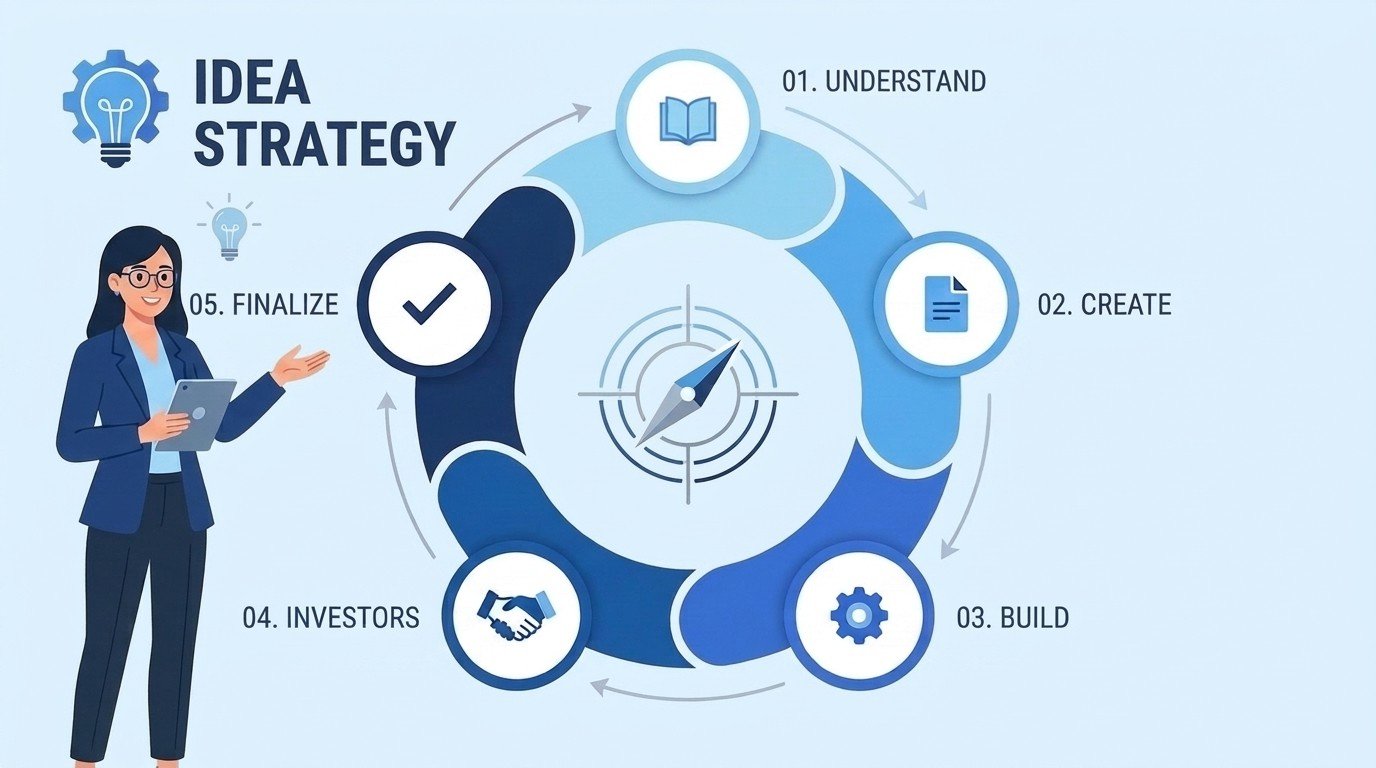
This guide covers five essential steps for successful business planning. Whether you’re launching a startup or seeking funding to expand an existing one, these steps will help you turn from a vague idea into a concrete, actionable roadmap.
Step 1: Understanding What a Business Plan Is
Before you start writing your plan, it is important you need to understand, on what you are actually working on. A business plan is a written document of your business showing its objectives, strategies, target market, and financial forecast. It has two main purposes, it will help you to think critically about your business model and show lenders/investors that you know what you are doing.
Definition of a Business Plan:
A business plan is a written document that describes a company’s goals, its operational and marketing strategies, its target market, and its financial projections
At its core, a business plan communicates who you are, what you offer, and how you intend to make money. The U.S. Small Business Administration (SBA) describes it as a roadmap which assist you in achieving your goals when combined with a growth mindset.
Parts of a Business Plan:
The SBA outlines nine standard sections for a traditional business plan
- Executive summary
- Company description
- Market analysis
- Organization and management
- Service or product line
- Marketing and sales
- Funding request
- Financial projections
- Appendix
Not every plan needs everything in a precise details or perfect planning, that’s why the structure is built to ensure you address the critical areas that determine whether a business survives or stalls.
Step 2: How to Create a Business Plan
Creating a plan begins with gathering the right information and using tools that keep you organized. Skipping this step often leads to vague assertions rather than defensible claims.
- Gathering Information:
Your plan should be built on real data, not guesswork. BDC, a Canadian business development bank, emphasizes that market research is a critical section that should contain substantial data about your sector, competition, and trends. You need to understand who your customers are, what competitors are doing, and where gaps exist. The SBA’s learning platform and SCORE templates are free resources that can guide your research and structure.
- Utilizing a Business Plan Template:
There is no rule that you must start from a blank page. The SBA provides sample plans and detailed guidance on both traditional and lean startup formats. SCORE, an SBA resource partner, offers free templates that many entrepreneurs find useful as a starting framework. A template ensures you do not overlook essential sections, but you should adapt it to fit your specific business rather than filling in blanks mechanically.
Step 3: Building a Business Plan
Now that you have some research, you can start to put together the main sections of your plan. This is where the document takes shape and where you articulate the operational and organizational logic behind your venture.
- Key Components of a Business Plan:
Besides the executive summary (which should be written last and no more than 2 pages) there are 3 main sections:
- Market Analysis,
- Product/Service
- Description and Marketing and Sales Strategy.
The market analysis should show that you know your industry and have identified a target market. In the marketing section you should explain how you will reach your customers and turn them into sales.
- Organization and Management Business Plan:
The organization and management section carries particular weight with lenders and investors. This is where you describe your legal structure, provide an organizational chart if available, and offer brief bios of key managers. Lenders evaluating SBA loan applications, for instance, pay close attention to who is running the business; detailed resumes for leadership positions help mitigate perceived risk. If you plan to fill critical roles as you grow, noting those future positions shows forethought.
Step 4: Writing a Business Plan for Investors
If you are seeking external funding, your plan must be tailored to the audience reading it. A plan written for your own internal guidance differs significantly from one designed to secure capital.
Tailoring Your Plan for Investors:
Investors and lenders look for specific signals:
- A clear use of funds,
- Realistic financial projections,
- And evidence that the business can generate enough cash flow to repay what it borrows.
For SBA-backed loans, lenders typically require five years of financial projections, including profit and loss statements, balance sheets, and cash flow statements. Your first year of projections should include monthly details, with annual summaries sufficient thereafter. If your business is already operating, you will also need historical financial reports for the past 12 to 24 months.
Business Plan Examples for Investment:
Reviewing sample plans can clarify what a fundable document looks like. The SBA’s online business guide includes examples in both traditional and lean formats. When studying these examples, pay attention to how they present financial assumptions and how they connect the funding request to specific business outcomes not just vague promises of growth.
Step 5: Finalizing Your Business Plan
The final step is refinement. A first draft is rarely the version you should use as your business startup guide or for sending to a lender.
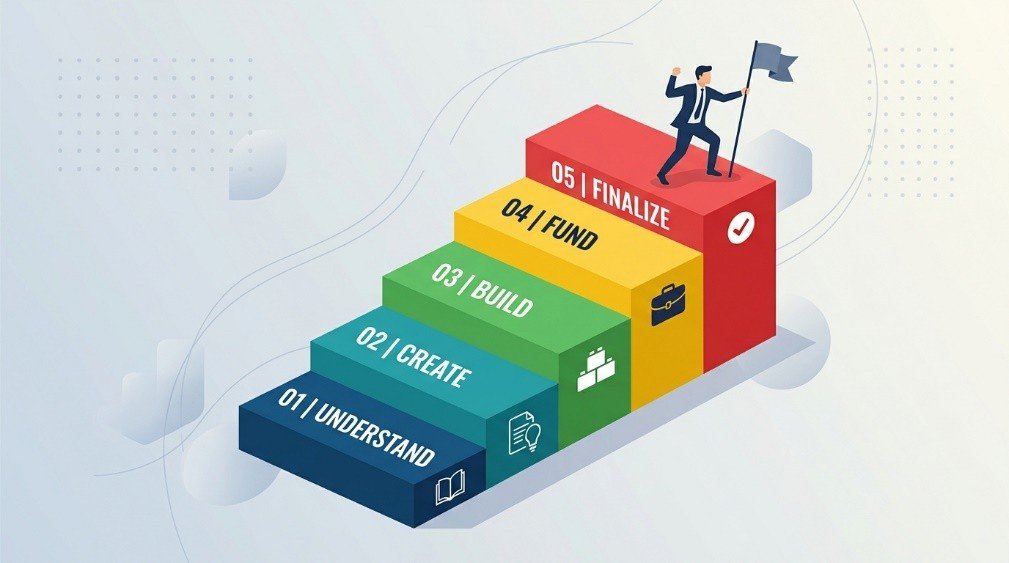
How to Write a Successful Business Plan?
A successful plan is clear, focused, and free of jargon that only you understand. It defines specific business objectives and measurable goals rather than general aspirations. Before finalizing, ask yourself whether someone unfamiliar with your industry could read the document and understand what your business does and why it has a reasonable chance of succeeding.
Reviewing and Making Adjustments
Treat your plan as a working document. The SBA explicitly notes that a good business plan should be updated regularly. After completing your draft, review your financial assumptions for realism. Are your sales projections supported by evidence, or are they hopeful guesses? If the numbers feel optimistic, adjust them downward rather than risk losing credibility with a lender who will scrutinize them closely.
Conclusion:
By understanding the basics, a well-structured business plan goes into a planning, gathering accurate data and using templates effectively can be put together for a successful business. Then you can put together the main parts of your plan, focusing on areas like organization and management. If you are looking for funding, then you should personalize your plan for investors. Finally make sure your plan has been reviewed honestly.
For Beginners Getting Started
The statistics regarding business failure are there to show you why it is important to have a business plan. A business plan will force you to think about some tough questions. You don’t need to have a perfect plan, just a clear and honest one that you are happy to change. Use the resources you have to collect your data and put together an initial draft. Your business deserves this!