

TLDR
- Master budgeting strategies to allocate income effectively and build financial stability in uncertain economic times.
- Understand the power of emergency funds and how a 3-6 month safety net protects against unexpected expenses.
- Learn smart investment approaches that align with your financial goals and risk tolerance.
- Discover debt management techniques to reduce financial stress and improve credit health.
- Explore automation tools that simplify money management and ensure consistent saving habits.
Did you know that according to a 2024 Bankrate survey, 56% of Americans couldn’t cover a $1,000 emergency expense from their savings? As we step into 2026, financial literacy has never been more critical. With inflation concerns, evolving investment landscapes, and increasing living costs, understanding personal finance tips can mean the difference between financial stress and financial freedom.
Whether you’re just starting your career, managing a growing family, or planning for retirement, smart money management isn’t just about earning more it’s about making informed decisions with what you have. This comprehensive guide will walk you through eight essential personal finance tips that can transform your financial future in 2026 and beyond.
1. Create a Realistic Budget That Actually Works
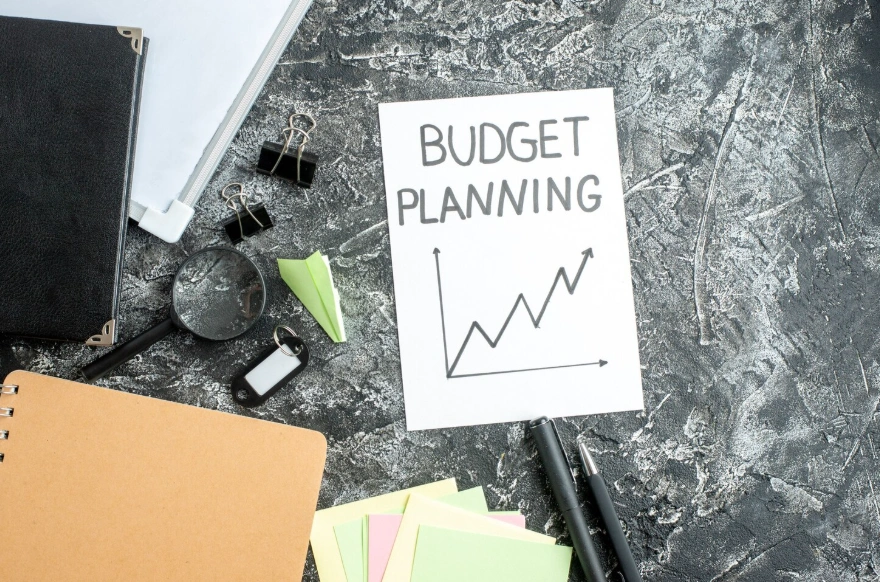
Why Budgeting Matters More Than Ever
Creating a budget is the foundation of sound money management. However, many people abandon their budgets within the first month because they’re either too restrictive or unrealistic. The key to successful budgeting in 2026 is finding a system that fits your lifestyle.
Popular Budgeting Methods to Consider
The 50/30/20 Rule This simple framework divides your after-tax income into three categories:
- 50% for needs (housing, utilities, groceries, insurance)
- 30% for wants (entertainment, dining out, hobbies)
- 20% for savings and debt repayment
Zero-Based Budgeting Every dollar of income is assigned a specific purpose, ensuring nothing falls through the cracks. This method requires more attention but provides complete control over your finances.
Envelope System (Digital or Physical) Allocate cash or digital funds to specific spending categories. Once an envelope is empty, you stop spending in that category until the next budget period.
Actionable Steps to Build Your Budget
- Track your spending for 30 days to understand your current habits
- List all income sources and calculate your monthly take-home pay
- Categorize expenses into fixed (rent, car payment) and variable (groceries, entertainment)
- Choose a budgeting method that matches your personality and financial situation
- Review and adjust monthly based on actual spending patterns
According to research from the National Foundation for Credit Counseling, individuals who maintain a written budget are 40% more likely to achieve their financial goals compared to those who don’t track their spending.
2. Build an Emergency Fund Before Anything Else
The Foundation of Financial Security
An emergency fund is your financial safety net that protects you from unexpected expenses like medical bills, car repairs, or job loss. Without this cushion, you’re forced to rely on credit cards or loans, which can spiral into debt.
How Much Should You Save?
Financial experts recommend saving 3-6 months of essential living expenses. However, your ideal amount depends on:
- Job stability and income predictability
- Number of dependents
- Health conditions or chronic medical needs
- Home ownership status
Starting Small Is Better Than Not Starting
If 3-6 months feels overwhelming, start with these mini-goals:
- Week 1-4: Save $500 (covers minor emergencies)
- Month 2-3: Reach $1,000 (handles most unexpected costs)
- Month 4-12: Build to one month of expenses
- Year 2: Complete your full 3-6 month fund
Best Places to Keep Your Emergency Fund
Your emergency savings should be easily accessible but separate from your daily spending account:
- High-yield savings accounts (currently offering 4-5% APY)
- Money market accounts
- Short-term certificates of deposit (CDs) with penalty-free withdrawal options
Never invest your emergency fund in stocks or volatile assets. The purpose is preservation and accessibility, not growth.
3. Tackle High-Interest Debt Strategically
Understanding the True Cost of Debt
Carrying high-interest debt is like running on a financial treadmill you’re working hard but not moving forward. Credit card debt, with average interest rates exceeding 20%, can double the cost of your purchases over time.
Two Proven Debt Repayment Strategies
The Debt Avalanche Method Focus on paying off debts with the highest interest rates first while making minimum payments on others. This approach saves the most money on interest.
The Debt Snowball Method Pay off your smallest debts first, regardless of interest rate. This creates psychological wins that motivate you to continue.
| Strategy | Best For | Pros | Cons |
| Debt Avalanche | Math-minded savers | Saves most on interest | Can take longer to see wins |
| Debt Snowball | Those needing motivation | Quick psychological victories | May pay more interest overall |
Additional Debt Management Tips
- Negotiate lower interest rates with creditors (many will reduce rates by 3-5% if you ask)
- Consider balance transfer cards with 0% introductory APR periods
- Avoid taking on new debt while paying off existing balances
- Set up automatic extra payments to stay consistent
Research from Harvard Business Review shows that people using the snowball method are 14% more likely to eliminate their debt completely, despite paying slightly more interest.
4. Start Investing Early and Consistently

Time Is Your Greatest Investment Asset
When it comes to building wealth, starting early matters more than how much you invest. Thanks to compound interest earning returns on your returns even small amounts invested in your 20s can grow substantially by retirement.
Investment Options for Different Goals
Retirement Accounts
- 401(k) Plans: Take full advantage of employer matching (it’s free money)
- Roth IRA: Contribute up to $7,000 annually ($8,000 if over 50) with tax-free withdrawals in retirement
- Traditional IRA: Tax-deductible contributions with tax-deferred growth
Taxable Investment Accounts
- Brokerage accounts for goals before retirement
- Index funds and ETFs for diversified, low-cost investing
- Robo-advisors for automated portfolio management
The Power of Consistent Investing
Consider this example: Investing $500 monthly starting at age 25 with a 7% average annual return would grow to approximately $1.2 million by age 65. Starting at age 35 with the same contribution only yields about $610,000 nearly half as much.
Diversification Is Key
Never put all your eggs in one basket. A well-diversified portfolio typically includes:
- Domestic stocks (60-70%)
- International stocks (15-20%)
- Bonds (10-20%)
- Alternative investments (0-10%)
Adjust these percentages based on your age, risk tolerance, and financial goals.
5. Maximize Tax-Advantaged Accounts
Keep More of What You Earn
Understanding how to leverage tax-advantaged accounts can save thousands of dollars annually. These personal finance tips for tax optimization shouldn’t be overlooked.
Top Tax-Advantaged Accounts to Use
Health Savings Accounts (HSAs) If you have a high-deductible health plan, HSAs offer triple tax benefits:
- Tax-deductible contributions
- Tax-free growth
- Tax-free withdrawals for qualified medical expenses
The 2026 contribution limits are $4,300 for individuals and $8,550 for families. Unlike FSAs, HSA funds roll over indefinitely.
529 College Savings Plans These state-sponsored plans allow tax-free growth and withdrawals for qualified education expenses. Many states also offer tax deductions for contributions.
Flexible Spending Accounts (FSAs) Pre-tax contributions reduce your taxable income. Use for predictable medical expenses or dependent care costs. Note: Most FSAs have “use-it-or-lose-it” rules.
Strategic Contribution Timing
- Front-load retirement contributions early in the year to maximize growth time
- Max out employer matches first (guaranteed 50-100% return)
- Fill tax-deferred accounts before taxable investment accounts
- Consider Roth conversions in low-income years
According to IRS data, taxpayers who maximize retirement contributions save an average of $1,800-$3,200 annually in taxes.
6. Automate Your Finances for Success
Remove the Guesswork and Build Consistency
One of the most effective wealth-building strategies doesn’t require willpower it requires automation. By setting up automatic transfers and payments, you remove the decision-making process and ensure consistent financial progress.
What to Automate
Savings and Investments
- Set up automatic transfers to savings accounts on payday
- Schedule recurring investments into retirement and brokerage accounts
- Automate additional mortgage or loan payments
Bill Payments
- Automate all fixed expenses (rent, utilities, subscriptions)
- Set up minimum credit card payments (while paying more manually)
- Schedule insurance premiums and property taxes
Financial Reviews
- Set quarterly calendar reminders to review your budget
- Schedule annual meetings to reassess investment allocations
- Create alerts for unusual account activity
The Psychology of Automation
Research shows that people who automate their savings save 2-3 times more than those who manually transfer funds. The “out of sight, out of mind” principle works powerfully in your favor when building wealth.
Tools and Apps to Consider
- Budgeting: Mint, YNAB (You Need A Budget), Personal Capital
- Investing: Betterment, Vanguard, Fidelity robo-advisors
- Bill Management: Prism, Truebill (now Rocket Money)
- Savings: Digit, Qapital, Acorns
7. Protect Your Financial Future with Insurance
The Safety Net You Hope Never to Use
Insurance isn’t the most exciting aspect of personal finance, but it’s crucial for protecting everything you’ve built. The right coverage prevents a single event from derailing your financial progress.
Essential Insurance Coverage for 2026
Health Insurance Medical emergencies are the leading cause of bankruptcy in the United States. Even with employer coverage, review your plan annually to ensure adequate protection. Consider:
- Deductible amounts and out-of-pocket maximums
- Network coverage for your preferred providers
- Prescription drug benefits
Life Insurance If anyone depends on your income, you need life insurance. Term life insurance is affordable and straightforward:
- 20-30 year terms cover most family obligations
- Coverage should equal 10-12 times your annual income
- Costs less than $50 monthly for most healthy adults
Disability Insurance You’re more likely to become disabled than die during your working years. Disability insurance replaces 60-70% of income if you can’t work:
- Short-term disability covers 3-6 months
- Long-term disability continues for years or until retirement
- Many employers offer group coverage at reduced rates
Property Insurance
- Homeowners or renters insurance protects your belongings
- Umbrella policies provide additional liability coverage
- Auto insurance should include adequate liability limits
Don’t Over-Insure or Under-Insure
Evaluate your actual coverage needs annually. Life changes like marriage, children, home purchases, or career advancement require insurance adjustments.
8. Continuously Educate Yourself About Financial Literacy

Knowledge Is Your Best Investment
The financial world constantly evolves with new investment options, tax laws, and economic conditions. Committing to ongoing financial education ensures you make informed decisions throughout your life.
Free Resources for Financial Learning
Podcasts
- The Dave Ramsey Show (debt elimination focus)
- BiggerPockets Money (investing and wealth building)
- Planet Money (economic concepts made simple)
Books
- “The Simple Path to Wealth” by JL Collins
- “I Will Teach You to Be Rich” by Ramit Sethi
- “The Psychology of Money” by Morgan Housel
Online Courses
- Khan Academy’s personal finance courses
- Coursera financial planning specializations
- Udemy investing fundamentals classes
Follow Reputable Financial Experts
Be cautious about following financial advice on social media. Stick to credible sources:
- Certified Financial Planners (CFP)
- IRS official guidance for tax questions
- Federal Reserve for economic data
- Consumer Financial Protection Bureau for banking rights
Apply What You Learn
Knowledge without action doesn’t improve your finances. After learning a new concept:
- Identify one specific change you can make
- Set a deadline for implementation
- Track the results monthly
- Adjust based on outcomes
According to the Financial Industry Regulatory Authority, individuals who spend 30 minutes weekly on financial education improve their net worth by an average of 23% over five years compared to those who don’t engage in ongoing learning.
Conclusion
Mastering personal finance tips isn’t about making more money it’s about making smarter decisions with the money you have. As we navigate 2026, these eight strategies provide a comprehensive roadmap to financial security: creating realistic budgets, building emergency funds, eliminating high-interest debt, investing consistently, maximizing tax advantages, automating your finances, protecting your assets, and committing to continuous learning.
The journey to financial freedom starts with a single step today. Whether you implement all eight tips at once or tackle them one at a time, each positive change compounds over time, creating lasting wealth and peace of mind.
Ready to take control of your financial future? Start by choosing one tip from this guide and implementing it this week. Small consistent actions today lead to significant results tomorrow. For more insights on technology solutions that can streamline your business and personal productivity, visit IntrasoftTech or explore our blog for additional resources on improving efficiency in all areas of your life.





One Response