
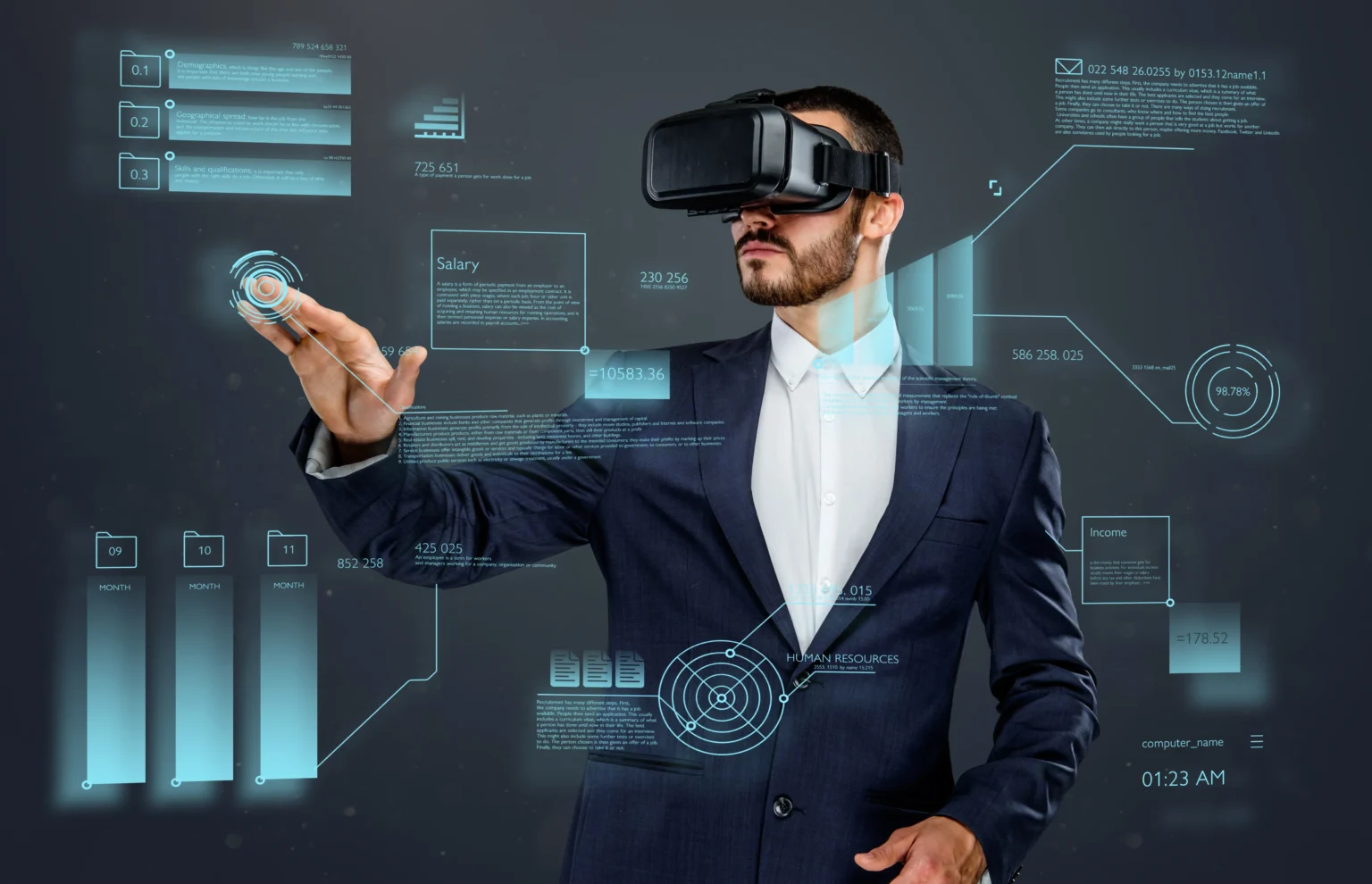

As we move closer to 2026, the pace of technological advancement is accelerating at an incredible rate. Innovations in artificial intelligence (AI), quantum computing, 5G connectivity, and many other fields are set to revolutionize industries across the globe. At IntrasoftTech, we’ve researched the top 10 future technology trends to watch in 2026 trends that will reshape businesses, create new market opportunities, and alter the way we live.
These trends represent the bleeding edge of innovation, and understanding them will help you stay ahead of the curve. From smarter AI to the rise of blockchain and decentralized finance, let’s dive into the technologies that are changing the game in 2026.
1. Artificial Intelligence (AI) & Machine Learning (ML)
AI and machine learning (ML) are already transforming industries, and by 2026, their impact will be even more profound. As AI becomes more advanced, it will move beyond automation and data analysis to drive decision-making processes, enhance customer experiences, and improve operational efficiencies.
How AI and ML Will Evolve in 2026:
- AI in Healthcare: By 2026, AI will help healthcare providers with real-time diagnostics, predictive analytics, and personalized treatment plans. Machine learning algorithms will analyze vast amounts of patient data, allowing doctors to make faster, more accurate decisions.
- Autonomous Systems: Self-driving vehicles will continue to evolve, becoming more reliable and widespread. AI-driven drones will manage everything from deliveries to surveillance, ensuring more efficient operations in logistics and security.
- AI-Driven Business Automation: AI will automate complex business tasks, from customer support chatbots to predictive supply chain management systems, reducing costs and improving customer service.
Why It Matters: By 2026, AI and ML will not only automate tasks but also enhance decision-making capabilities across industries. The global AI market is expected to grow at a compound annual growth rate (CAGR) of 42.2%, reaching $390.9 billion by 2026
2. 5G Technology and Beyond
5G technology is poised to unlock a new era of connectivity. By 2026, 5G will be fully integrated into everyday life, bringing faster internet speeds, lower latency, and greater bandwidth to power a wide range of connected devices.
How 5G Will Impact Industries:
- Smart Cities: With 5G, smart cities will become a reality. Real-time data will optimize traffic flow, reduce energy consumption, and improve public services like waste management and emergency response.
- Healthcare: 5G will enable telemedicine with higher quality, lower-latency video consultations and real-time patient monitoring, especially for remote areas.
- Mobile Gaming and Entertainment: 5G will transform mobile gaming by providing uninterrupted, high-quality, and immersive experiences. Virtual and augmented reality (VR/AR) applications will also thrive with the ultra-low latency that 5G offers.
Why It Matters: 5G is set to revolutionize how we interact with technology, and by 2026, 5G will cover 50% of global mobile connections, paving the way for a new level of connectivity and innovation (Ericsson).
3. Quantum Computing
Quantum computing is no longer a far-off dream—it’s quickly becoming a reality. By 2026, quantum computers will begin to solve problems that traditional computers can’t handle, from drug discovery to financial modeling and cryptography.
Key Uses of Quantum Computing:
- Drug Discovery: Quantum computers will be able to model molecular structures at an unprecedented speed, significantly accelerating the discovery of new drugs and treatments for diseases like cancer and Alzheimer’s.
- Financial Modeling: Quantum computing will transform financial markets by enabling complex risk modeling and algorithmic trading strategies, allowing for faster and more accurate predictions.
- Cryptography: As quantum computing evolves, it will render current encryption methods obsolete. However, it will also lead to the development of quantum-safe encryption systems that will provide stronger security protocols.
Why It Matters: Quantum computing is expected to reach a market value of $64.98 billion by 2030, providing solutions to complex problems in healthcare, finance, and data security that were previously unsolvable (Allied Market Research).
4. Blockchain and Decentralized Finance (DeFi)
Blockchain technology is set to revolutionize the way we store and transfer data. By 2026, blockchain will expand beyond cryptocurrencies to include decentralized applications (dApps), decentralized finance (DeFi), and enhanced supply chain transparency.
How Blockchain and DeFi Will Impact Industries:
- Supply Chain Transparency: Blockchain will offer real-time tracking and verification of products throughout the supply chain. This will not only reduce fraud but also improve efficiency and accountability.
- Smart Contracts: Blockchain-powered smart contracts will eliminate the need for intermediaries, enabling secure, automated transactions that execute once predefined conditions are met.
- Decentralized Finance (DeFi): DeFi will continue to disrupt traditional banking by enabling peer-to-peer financial services such as lending, borrowing, and trading, all conducted on decentralized platforms without intermediaries.
Why It Matters: Blockchain’s ability to create transparent, secure, and tamper-proof records will help industries like supply chain management, healthcare, and finance operate more efficiently. The blockchain market size is expected to reach $163.83 billion by 2027, driven by the growth of DeFi and the increasing role of blockchain in business (Business Insider).
5. Edge Computing
Edge computing brings data processing closer to the source of the data, allowing for faster decision-making and lower latency. By 2026, edge computing will become crucial for IoT devices, autonomous vehicles, and AI systems that require real-time data analysis.
Benefits of Edge Computing:
- Real-Time Data Processing: With edge computing, devices like autonomous cars and smart devices will be able to process data locally, enabling them to make faster decisions without relying on the cloud.
- Improved Security: Processing data closer to its source reduces the risk of data breaches and cyberattacks by minimizing the transmission of sensitive data over the internet.
- Optimized IoT Devices: Edge computing will improve the performance of IoT devices by enabling them to process data without needing constant connectivity to centralized servers.
Why It Matters: The edge computing market is expected to grow to $23.9 billion by 2026, supporting the massive growth of IoT and AI-driven devices. By bringing data processing to the edge, businesses can make faster decisions and improve overall system performance (MarketsandMarkets).
6. Virtual Reality (VR) and Augmented Reality (AR)
VR and AR are set to revolutionize the entertainment, education, and healthcare sectors. By 2026, VR and AR will become fully immersive and integrated into daily life, offering new ways to experience everything from gaming to virtual shopping and education.
Applications of VR/AR in 2026:
- Entertainment and Gaming: VR will offer immersive experiences, allowing users to interact with virtual environments in ways that were previously impossible. AR will enhance mobile gaming and interactive experiences by overlaying digital elements on the real world.
- Education and Training: Virtual classrooms and training simulations will become common, providing interactive learning experiences that are more engaging and effective than traditional methods.
- Healthcare: Surgeons will use AR to visualize 3D models of organs and tissues during operations, while VR will offer therapeutic solutions for mental health, helping patients overcome phobias and anxiety.
Why It Matters: The AR/VR market is expected to reach $209.2 billion by 2026, transforming how we learn, play, and interact with the world (GlobalData).
7. Autonomous Vehicles and Drones
Autonomous vehicles (AVs) and drones are poised to change the transportation and logistics sectors. By 2026, AVs will become more reliable and mainstream, while drones will be widely used for deliveries and other services.
How AVs and Drones Will Change the World:
- Self-Driving Cars: AVs will drastically reduce accidents caused by human error, enhance fuel efficiency, and improve traffic management in cities. By 2026, fully autonomous vehicles will become more commonplace, offering more sustainable and accessible transportation.
- Drone Deliveries: Drones will take over last-mile deliveries, reducing the time and cost associated with shipping goods. Drone technology will become crucial for e-commerce businesses and logistics companies.
Why It Matters: The autonomous vehicle market is expected to reach $60 billion by 2026, driving innovation in transportation and logistics. AVs and drones will improve efficiency, reduce costs, and create safer and more sustainable transportation solutions (Statista).
8. Biotechnology and Genetic Engineering
Biotechnology will advance rapidly by 2026, enabling breakthroughs in healthcare, agriculture, and environmental sustainability. CRISPR gene editing and synthetic biology will revolutionize the medical field, offering the potential to cure genetic disorders and create new, more efficient forms of agriculture.
Applications of Biotechnology:
- Gene Editing: CRISPR technology will enable precise gene modifications, allowing for the treatment of genetic diseases and the development of disease-resistant crops.
- Personalized Medicine: Treatments tailored to an individual’s genetic makeup will become more common, improving the effectiveness of healthcare treatments and reducing side effects.
Why It Matters: The biotechnology market is expected to reach $727.1 billion by 2026, with advances in gene editing and synthetic biology playing a critical role in healthcare and agriculture (Grand View Research).
9. Green Technologies and Sustainability
With climate change becoming an urgent global issue, green technologies will play a central role in 2026. From renewable energy to electric vehicles (EVs), these technologies will help reduce emissions, conserve resources, and create a more sustainable future.
Key Green Tech Innovations:
- Renewable Energy: Solar and wind power will become the dominant energy sources, providing cleaner alternatives to fossil fuels and reducing greenhouse gas emissions.
- Electric Vehicles (EVs): EV adoption will continue to accelerate, driven by advancements in battery technology and the expansion of charging infrastructure.
- Carbon Capture: New technologies will capture carbon emissions from the atmosphere, mitigating the effects of climate change.
Why It Matters: Green technologies are projected to exceed $10 trillion in investment by 2026, helping to create a more sustainable and environmentally-friendly future (BloombergNEF).
10. Advanced Robotics
Advanced robotics will continue to evolve, enabling machines to perform complex tasks in a variety of industries, including manufacturing, healthcare, and home services.
Robotics Trends in 2026:
- Manufacturing: Robots will take on more complex tasks in production lines, reducing costs, improving safety, and increasing productivity.
- Healthcare: Surgical robots will assist with precision surgeries, reducing human error and improving patient outcomes.
- Home Services: Robots will help with cleaning, cooking, and elderly care, improving the quality of life for many people.
Why It Matters: The robotics market is expected to grow at a CAGR of 26.4%, reaching $189.36 billion by 2026, with advanced robotics playing a key role in transforming industries.
FAQs for future technology trends
1. What are the top 3 technology trends to watch in 2026?
AI, 5G, and quantum computing will be the most disruptive technologies, with far-reaching implications for every industry.
2. How will AI impact businesses by 2026?
AI will automate tasks, improve decision-making, and enable businesses to offer more personalized services to customers.
3. What role will blockchain play in finance in 2026?
Blockchain will enable decentralized finance (DeFi), enhancing transparency, security, and reducing the need for intermediaries.
Conclusion
The top 10 future technology trends to watch in 2026 show us a world where innovation is the driving force behind progress. From AI and quantum computing to 5G and robotics, these technologies will not only reshape industries but also enhance daily life. As these trends continue to unfold, IntrasoftTech remains committed to keeping you informed on how these advancements will impact the world.For more insights on cutting-edge technologies, explore our blogs at IntrasoftTech.